Health & Wellness
Answers for Diabetes, Thyroid & Hormone Health: Meet Dr. Adam Puchalski
Feb 13, 2026
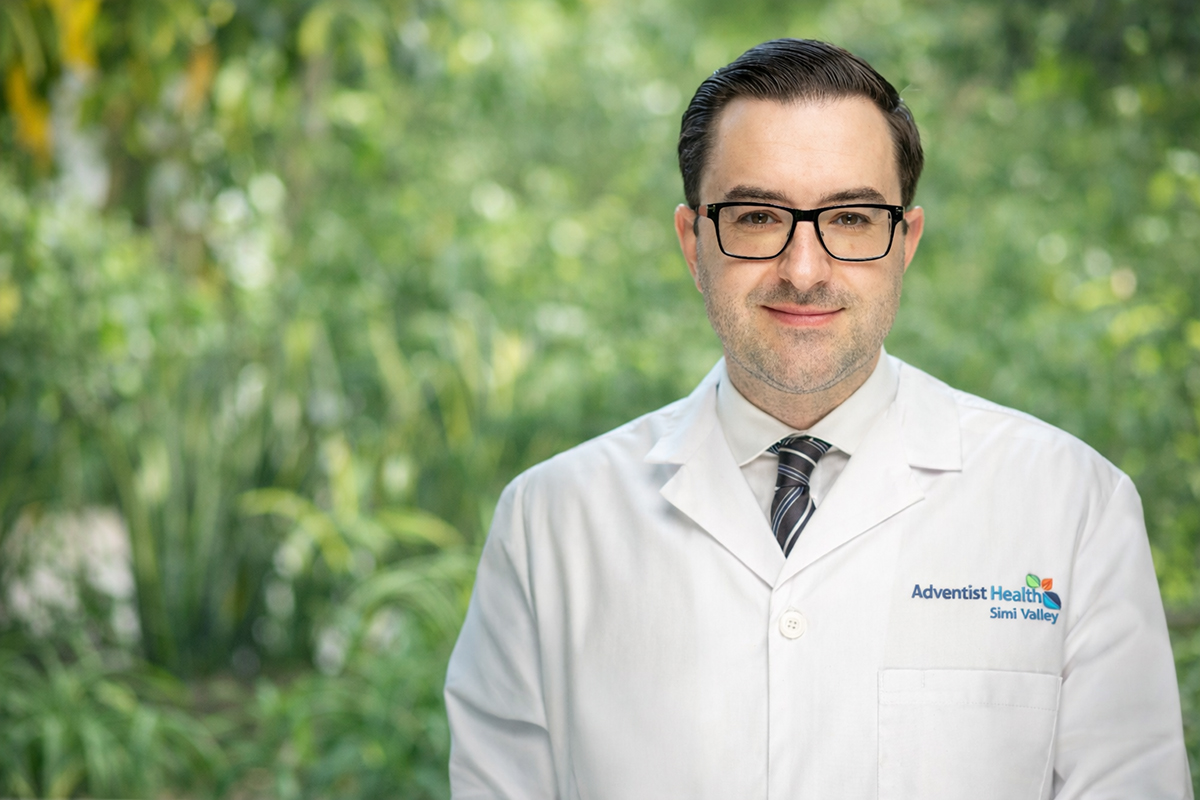
Endocrinology is one of the most requested specialties in our community — and we’re proud to welcome Dr. Adam Puchalski, who is helping meet that growing need. Specializing in hormone-related conditions such as diabetes, thyroid disorders, and metabolic health, Dr. Puchalski is passionate about partnering with patients to improve long-term wellness.
We sat down with Dr. Puchalski to learn more about his approach to care and what patients can expect.
Q: What is endocrinology, and why is it so important?
Dr. Puchalski:
Endocrinology focuses on hormones — the chemical messengers that regulate so many systems in the body, including metabolism, blood sugar, growth, thyroid function, and more. When hormones are out of balance, it can affect energy levels, weight, mood, heart health, and overall quality of life.
Conditions like diabetes and thyroid disease are very common, and proper management can truly change a person’s long-term health outcomes.
Q: What types of conditions do you commonly treat?
Dr. Puchalski:
Some of the most common conditions I treat include:
- Type 1 and Type 2 diabetes
- Thyroid disorders (hypothyroidism, hyperthyroidism, thyroid nodules)
- Osteoporosis
- Hormonal imbalances
- Adrenal and pituitary disorders
- Metabolic concerns and weight-related endocrine issues
If someone has been struggling with blood sugar control, unexplained weight changes, persistent fatigue, or abnormal lab results, it may be time to see an endocrinologist.
Q: How do patients know if they should see you?
Dr. Puchalski:
Patients are often referred by their primary care provider, but there are some common signs that may indicate a need for endocrine evaluation:
- Difficulty controlling diabetes despite medication
- Thyroid lab levels that are abnormal or difficult to stabilize
- Persistent fatigue without a clear explanation
- Unexplained weight gain or weight loss
- Hair thinning or changes in skin texture
- Recurrent low bone density or fractures
If something feels “off” and routine treatment hasn’t helped, it’s definitely worth investigating.
Q: What is your approach to patient care?
Dr. Puchalski:
My goal is to make complex conditions manageable. Endocrine disorders often require long-term care, so I focus on education, shared decision-making, and creating realistic treatment plans patients can sustain. I want patients to feel heard, informed, and empowered.
Q: What excites you most about serving this community?
Dr. Puchalski:
There has been a high demand for endocrinology services in this area, and I’m excited to help increase access to specialized care locally. Patients shouldn’t have to travel far to receive expert management of chronic conditions like diabetes or thyroid disease. Being part of this community and helping patients improve their long-term health is incredibly rewarding.
When to Talk to Your Doctor
If you’re experiencing ongoing issues with blood sugar, thyroid imbalance, fatigue, weight changes, or bone health — talk with your primary care provider about whether a referral to endocrinology is right for you.
To learn more or schedule an appointment, call 805- 955-7060 or visit https://adventisthealth.org/apuchalski