Team Spotlight
Meeting Patients Where They Are: A Chaplain Resident’s Perspective
Mar 3, 2026

When people hear the word chaplain, they often assume the role represents a single faith tradition or that a chaplain is present only to offer prayer. In reality, spiritual care within a hospital is far broader and deeply relational.
Chaplain residents receive extensive training through Clinical Pastoral Education (CPE), where they learn how culture, faith, and personal history shape a person’s experience of illness, grief, and healing. For some patients, faith plays a central role in medical decision-making. For others, spirituality appears as questions about identity, meaning, or purpose. The chaplain’s role is not to impose beliefs, but to accompany patients, listen to their stories, and support what matters most to them. This may include advocating to ensure that cultural or spiritual needs are honored within the patient’s care plan.
Chaplains offer prayer when it is meaningful to the patient—always by request, never by assumption. When patients ask for specific rituals such as anointings, baby blessings, or last rites, chaplains provide these when possible and collaborate with local clergy, parishes, mosques, and other faith leaders when support from a patient’s own tradition is most appropriate. These partnerships ensure that each patient’s beliefs are honored with authenticity and care.
A foundational truth of spiritual care is that it is also emotional care. Many patients may not identify with a particular religion, yet still grapple with questions such as, “Who am I now?” or “What value do I have?” During medical crises, the body often shifts into fight, flight, or freeze, and emotions may swing from numbness to intense anxiety. Chaplains create a grounded, calming presence in the midst of that storm—a space where fears can be spoken openly and not minimized.
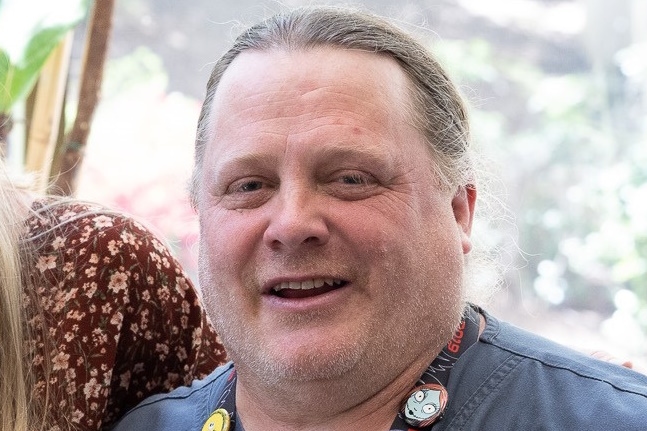
"Listening lies at the heart of chaplaincy—not listening to respond, but listening to truly understand. A patient’s initial “I’m okay” sometimes becomes, with gentle curiosity, “Actually, I just found out I may lose my leg.” This deep, other centered listening allows individuals to feel seen, heard, and valued at a time when their world may feel unpredictable," shares Mitchell Powers, CPE Resident at Adventist Health Portland.
In addition to patient care, chaplains support families navigating conflict, help de-escalate emotionally charged situations, facilitate conversations around grief, and care for hospital staff who carry the weight of difficult days. They contribute to whole‑person healing by tending to the emotional and spiritual dimensions that are inseparable from physical health.
For many chaplain residents, the training itself is transformative. It strengthens self-awareness, deepens personal understanding, and builds confidence—growth that allows them to be more fully present not only with patients, but also with their own families. This personal development enhances their ability to sit compassionately and steadily with others in moments of pain.
At the core of hospital spiritual care is a simple commitment: every patient deserves to feel heard, respected, and supported—whether they are deeply religious, spiritually curious, uncertain, or not religious at all. Healing is not solely about the body; it is about caring for the whole person.