Patient Story
A Second Chance at Life
Jul 14, 2026
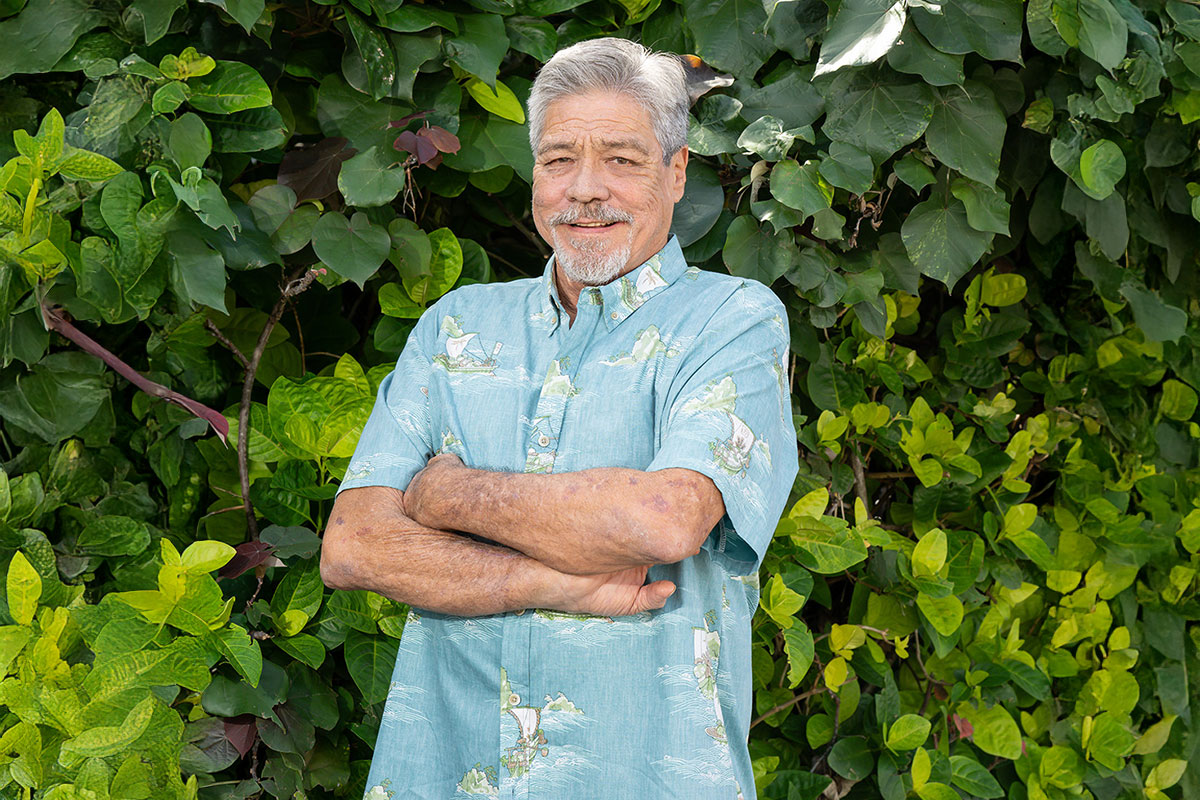
Last Labor Day, Keoni Woods knew something wasn’t right. “I was working on my son’s truck, and it was a very warm day,” the 67-year-old Kāne’ohe resident recalls. “I started to get dizzy, so I went inside for an hour to rest.” Two days later, things got worse. Keoni says that on top of the dizziness, he kept dropping tools and was stumbling when he walked. His son took him to Adventist Health Castle, where doctors confirmed he was having a stroke. He was in the right place: Adventist Health Castle is a certified primary stroke center, equipped to quickly diagnose and treat strokes so people like Keoni can recover better.
Recognizing the signs
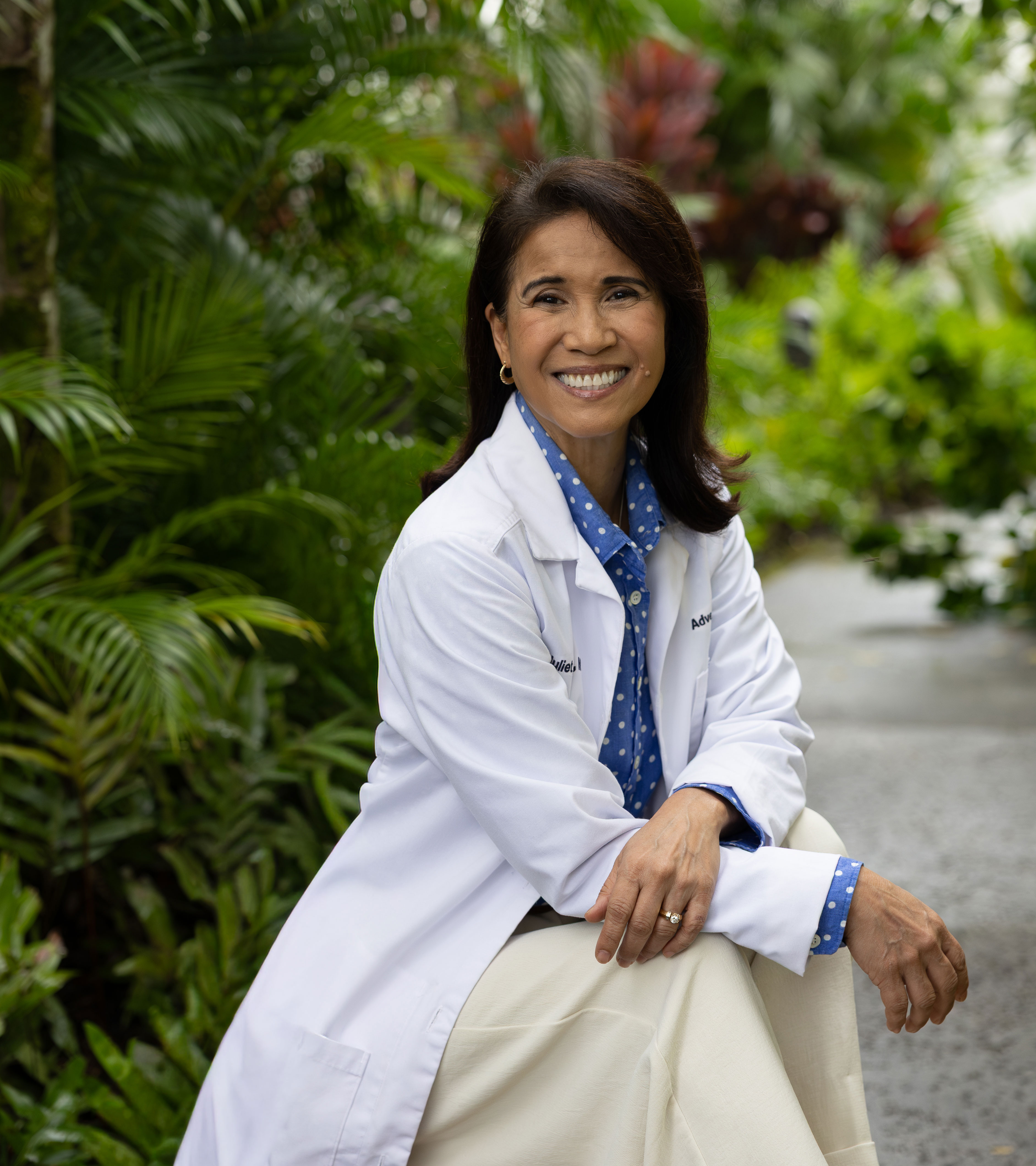
The symptoms Keoni experienced are good indicators of a stroke, says neurology specialist Juliet Beniga, NP. “Trouble speaking, numbness or tingling on one side of your face or body, or balance issues are pretty classic signs of a stroke,” she says. Although Keoni got a ride to the hospital, Adventist Health Castle experts advise that people call 911 so they can receive help on the way. “We say ‘time is brain,’” Juliet explains, “because the sooner you are treated, the fewer brain cells you lose.” Emergency medical technicians begin care immediately, monitoring your condition and coordinating with the hospital, so you don’t wait in the emergency room.
Fast action
When Keoni arrived at Adventist Health Castle, he had almost no motion on the left side of his body. A CT scan of his brain showed a major blockage in a blood vessel. The blockage stopped life-giving blood from reaching his brain, making rapid treatment critical. “For certain types of strokes, like the one Keoni was having, we can give a medication that dissolves the blockage and restores blood flow. That immediately restores some brain function,” Juliet says. “Then, it’s a matter of assessing the damage and determining what caused the stroke in the first place.” Investigation includes testing and imaging scans of the heart and brain to look for abnormalities. Providers can also advise people on managing conditions such as high cholesterol, high blood pressure, and diabetes, which can increase the risk of having another stroke.
Returning to normal
Because Keoni lost mobility on his left side, he started rehabilitation as soon as he left the hospital. After a stroke, physical, speech, and occupational therapists can help people build back strength, overcome trouble speaking, and relearn everyday functions such as using utensils and swallowing. “I went to physical therapy at Adventist Health Castle for two months, and that helped me a lot,” he says. “They gave me exercises to do at home, and my wife makes sure I do them every day.” He says his wife, Tammy, was vital in his recovery. “I needed 24-hour care, so she stayed home from work to help me,” he says. And as he has built back his strength again, he has enjoyed walking around the neighborhood with Tammy. “I know it will take time before I feel 100% again, but the more I exercise, the better I’ll get,” he says. “I feel like I got a second chance at life, so I’m just trying to make the best of it. My advice is to embrace life and your loved ones today, because you never know what tomorrow will hold.”