Team Spotlight
Made for Moving Forward: Supporting Stroke Patients in Recovery
May 28, 2025

Every 40 seconds, someone in the United States has a stroke. According to the American Heart Association, stroke affects 800,000 Americans every year.

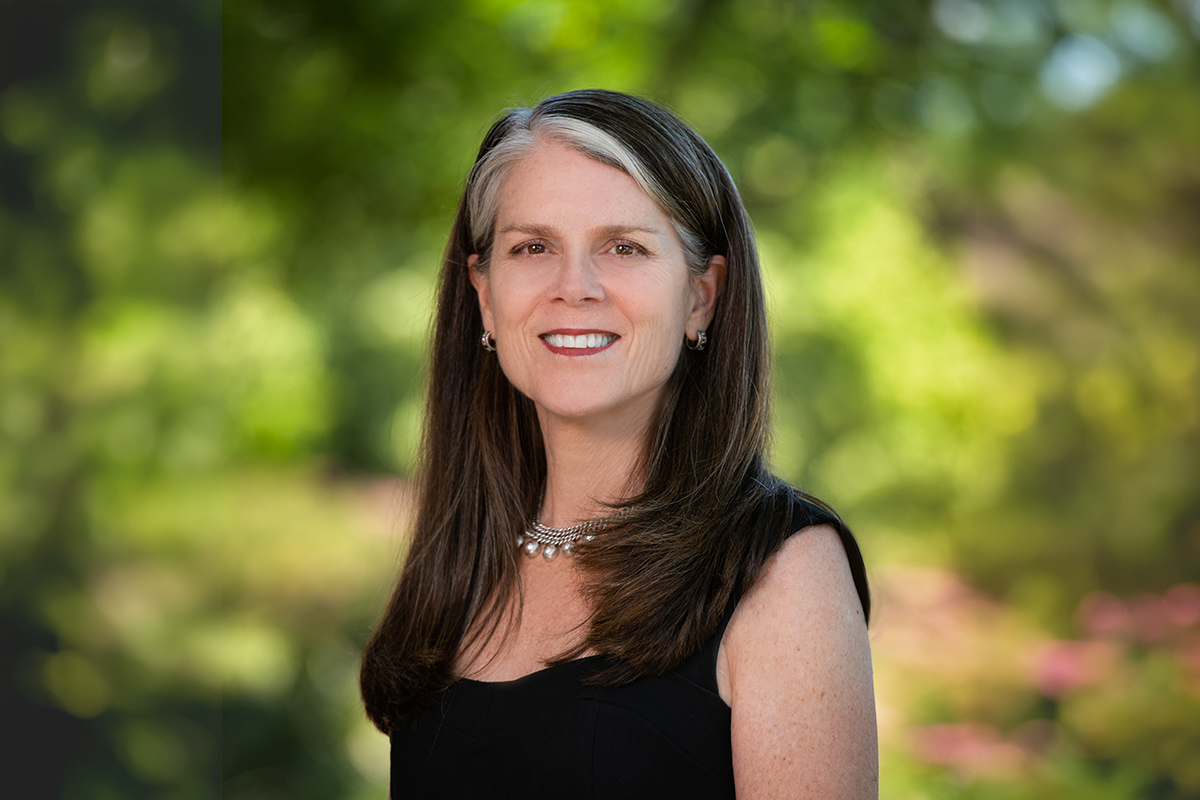
This American Stroke Awareness Month, meet Anne Burleigh Jacobs, PT, PhD, a neurological rehabilitation physical therapist, who has cared for patients at Adventist Health since 2016. Her distinguished, four-decade career includes research projects in the United States, Canada, and Europe, studying the control of walking. She has also served as a clinical professor and published research, including her book, Highs, Lows, and Plateaus: A Path to Recovery from Stroke.
Learn about Anne's research on stroke, recovery, and what inspires her to advocate for her patients every day so they can achieve their full potential.
Q: How would you describe what you do each day?
A: I specialize in helping patients restore balance and their ability to walk using the principles of neuroplasticity, which is the brain’s ability to evolve and adapt. I work primarily with patients who have neurological impairments, injuries, and disorders, including stroke, to facilitate the growth of new neurological pathways for improved movement control.
Q: What inspired you to write a book on stroke recovery?
A: My main motivation for writing a book on stroke recovery was twofold. First, I wanted to dispel the myth that stroke recovery occurs in the first year post-stroke, and that once a patient "plateaus," they should not expect much further recovery. Second, I wanted to provide a framework for treatment of stroke, through physical therapy, occupational therapy, and home exercises to support the patient’s continued recovery for many years post-stroke.
Q: How does this framework for stroke recovery help patients?
A: Too often, stroke survivor rehabilitation follows an orthopedic approach focused on strengthening and rigid bracing of muscles, but this can limit a patient’s recovery. It’s critical not only to strengthen muscles but also restore normal movement patterns. A neurological approach focuses on progressing movement patterns – like moving from sitting to lying down, then getting back up – at each stage of recovery and making improvements in small but meaningful steps.
Q: What are the most fulfilling moments in your work?
A: I feel fulfilled when I am successful in helping someone to regain their independence and to find joy in their life again.
Q: How do you stay motivated during challenging times?
A: I tend to advocate fiercely for my patients and spend extra time seeking out resources and services for their own unique path toward recovery. I balance my energy with volunteering at Sierra Repertory Theatre and outdoor activities including hiking, skiing, pickleball, kayaking, and gardening. Any time that I spend outdoors is refreshing to my soul.