
Adventist Health Portland Supports Cardiac Arrest Cooling Study
Oct 28, 2026
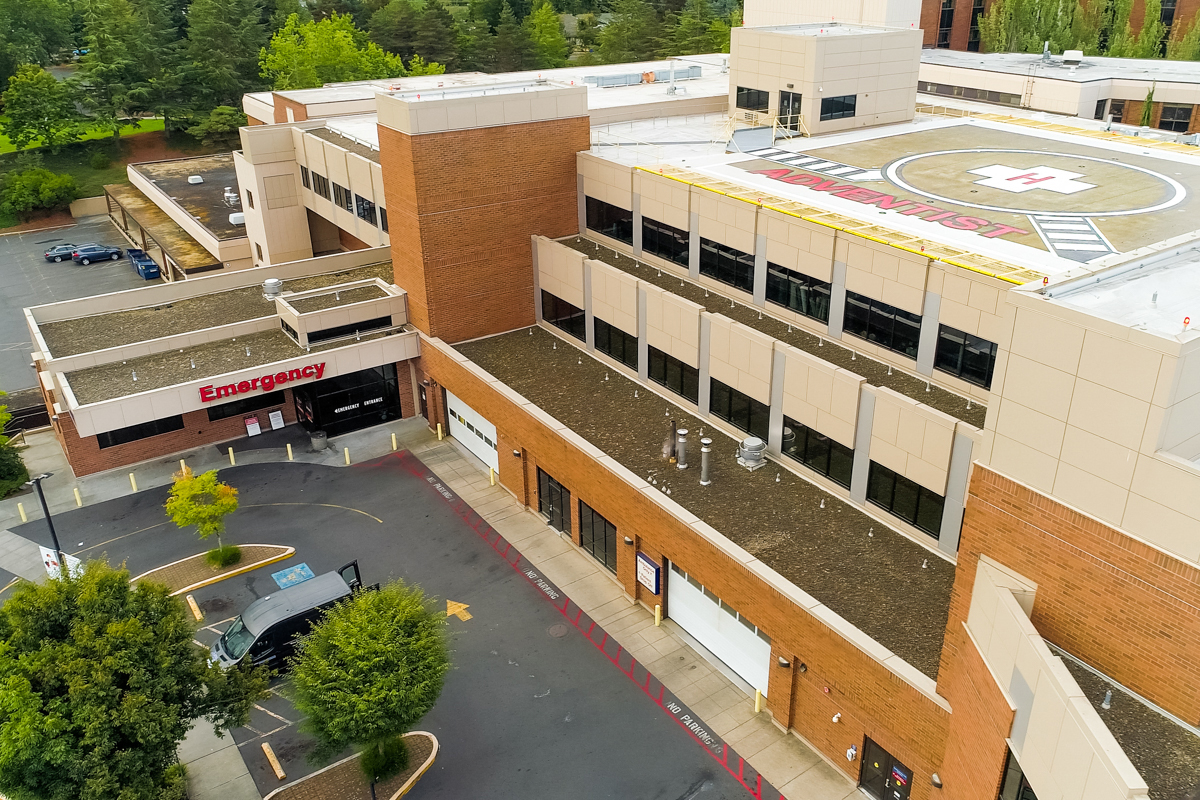
Adventist Health Portland clinicians participated in the largest U.S. clinical trial examining whether longer durations of therapeutic hypothermia improve outcomes for adults who experience out-of-hospital cardiac arrest. Adventist Health Portland was the second-highest enrolling site in the nation, with 87 patients participating in the study. Results were recently published in the Journal of the American Medical Association.
Each year, more than 250,000 people in the United States experience out-of-hospital cardiac arrest. Approximately 90% do not survive. Because the heart is unable to pump blood to the brain during an arrest, many patients suffer irreversible brain damage even when their heartbeat is restored.
Cooling therapy aims to protect the brain
For more than two decades, physicians have used therapeutic hypothermia, also known as targeted temperature management, to help prevent or reduce brain injury in comatose survivors of cardiac arrest. The treatment lowers the body's temperature, slowing metabolism and activating protective mechanisms that may reduce damage to the brain.
ICECAP examines how long cooling should continue
Researchers launched the Influence of Cooling Duration on Efficacy in Cardiac Arrest Patients (ICECAP) trial to determine whether longer cooling durations could improve outcomes for adults after cardiac arrest. Previous studies used limited cooling durations, while lab research suggested longer cooling might offer greater benefit. The trial enrolled 1,158 patients at 71 hospitals across the United States between 2020 and 2025, making it the largest U.S. study focused on this question. Researchers evaluated cooling durations ranging from six to 48 hours.
The study included patients of different genders, races and levels of illness severity. Researchers examined outcomes among patients whose heart rhythms were restored both with and without defibrillation. Adventist Health Portland's participation helped researchers evaluate outcomes across a broad and diverse patient population. With 87 patients enrolled, the hospital was the second-highest enrolling site in the nation, ensuring that patients in Oregon had an opportunity to contribute to research that may help guide future cardiac arrest care across the country.
Bringing national clinical research to Portland patients
"Participating in a national study of this scale gave patients in our community access to cutting-edge clinical research while helping answer important questions about cardiac arrest care," said Dr. Marwan Mouammar, pulmonologist and intensivist at Adventist Health Portland. "Studies like ICECAP are valuable because they help physicians focus on treatments that provide the greatest benefit while continuing to improve outcomes for patients facing some of the most critical medical emergencies."
"One of the most meaningful aspects of this study is that it included a broad range of patients, including those who historically have had poorer outcomes," said Dr. William Spurlock, internist at Adventist Health Portland. "Through ICECAP our patients were able to receive the care they needed close to home, while also contributing to research that will inform care decisions for patients and families nationwide."
Studying a broader range of cardiac arrest patients
Researchers studied both patients whose cardiac arrests occurred suddenly and those whose bodies declined more gradually, because each group can have different illness patterns and treatment considerations. Including both populations helped address uncertainty from previous studies and ensured the research reflected a broader range of cardiac arrest experiences.
Study findings point to further research
Among patients whose body temperature was rapidly lowered to below 34 degrees upon arrival in the emergency department, the study found no difference in outcomes based on how long cooling was continued. Because of the size and diversity of the trial population, researchers plan additional analyses to determine whether specific groups of patients may benefit from longer periods of cooling.
Related articles

Technology & Innovation
An Epic Transition: Our New Electronic Health Record and What It Means for You

Technology & Innovation
Dr. Desiree Sanchez Performs First Urology Surgery in Southern California Using Advanced Robot (DV5)
