Health & Wellness
What You Need to Know About Pneumonia
Nov 2, 2026
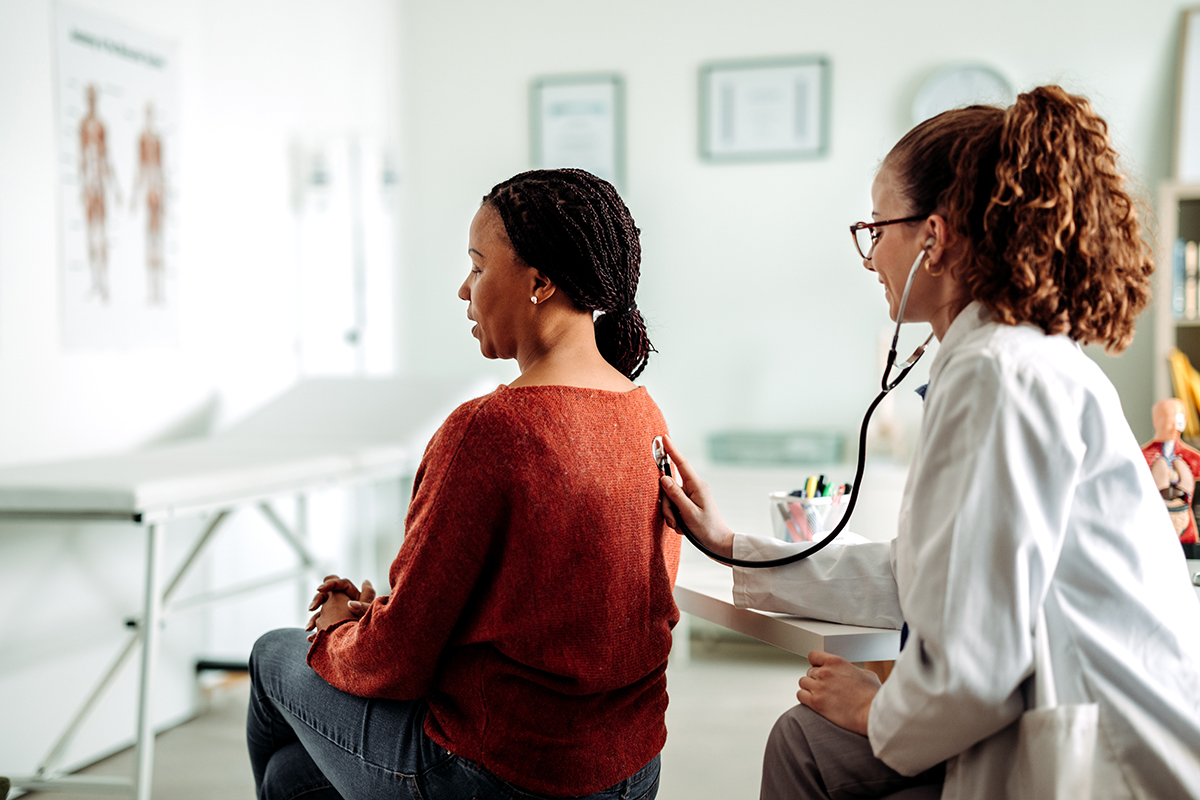
Each year, pneumonia impacts millions of people worldwide. While some cases are mild, others can lead to serious complications.
Pulmonologist Kamaljit Atwal, DO, explains what causes pneumonia, which symptoms to watch for, how it’s treated, and ways to help prevent it.
What is pneumonia?
Pneumonia is an infection that affects one or both lungs. It causes tiny air sacs (alveoli) to become inflamed and fill with fluid or pus.
You can develop pneumonia at any time of year, but cases are more common during winter and late spring.
What causes pneumonia?
Pneumonia can be caused by:
- Bacteria: The most common cause of pneumonia in adults.
- Viruses: The leading cause of pneumonia in children under 5 years old.
- Fungi: More likely to affect people with weakened immune systems.
Pneumonia can also develop when food or liquids accidentally enter the lungs. This is known as aspiration pneumonia.
How is pneumonia treated?
Treatment for pneumonia depends on the type of germ causing the infection. Here’s how each type is treated:
- Bacterial pneumonia: Treated with antibiotics. It's important to take antibiotics exactly as prescribed to help ensure the infection is fully treated.
- Viral pneumonia: Often improves with good rest and plenty of fluids. In some cases, your doctor may prescribe antiviral medication. Antibiotics are not effective against this type of pneumonia.
- Fungal pneumonia: Typically treated with antifungal medication.
Your doctor may recommend treatments to help manage symptoms, including cough medicine, inhaler therapy, or over- the- counter medications like pain relievers to ease fever and pain.
“Severe cases of pneumonia may require hospital care, where patients can receive IV antibiotics, fluids, nebulizer treatments, or oxygen therapy,” Dr. Atwal says.
Who is at risk for pneumonia?
Anyone can get pneumonia, but certain groups face a higher risk, including:
- Adults age 65 and older
- Children younger than 5 (especially those under 2)
- People with chronic medical conditions (diabetes, heart or lung disease)
- People with weakened immune systems
- People who smoke or vape
Is pneumonia contagious?
It depends.
Bacterial and viral pneumonia can spread easily through respiratory droplets.
“If someone with bacterial or viral pneumonia coughs or sneezes near you, you could be exposed to the germs that made them sick,” Dr. Atwal explains. “Depending on your immune system, you could develop a cold, another respiratory illness, or pneumonia.”
Pneumonia-causing germs can also spread through direct contact with saliva or mucus, such as when sharing cups or utensils with someone who is infected.
Less commonly, you can pick them up by touching a contaminated surface and then touching your eyes, nose, or mouth.
Fungal and aspiration pneumonia generally don’t spread from person to person.
Signs and symptoms of pneumonia
Symptoms can range from mild to severe and may include:
- Cough (often with green, yellow, grey, or bloody mucus)
- Chest pain when you cough
- Fever and chills
- Low energy
- Muscle aches and weakness
- Rapid heart rate
- Nausea and vomiting
- Loss of appetite
When to seek emergency care
Seek immediate care if you experience:
- Bluish discoloration in your skin, lips, or fingernails
- Sudden and severe difficulty breathing or shortness of breath
- Sharp or stabbing chest pain
- Persistent fever that stays above 102 F
- Sudden confusion or changes in mental awareness
How long will it take to recover?
Recovering from pneumonia depends on many factors like:
- Your age
- Severity of illness
- Cause of infection
“Recovering from pneumonia generally takes about two to three weeks,” Dr. Atwal says. “Fatigue may continue even after other symptoms improve."
How is pneumonia diagnosed?
“Your symptoms and medical history are key to diagnosing pneumonia,” Dr. Atwal explains. “Your doctor will check your vital signs and oxygen level and listen to your lungs for signs of infection.”
If your doctor suspects pneumonia, additional tests may include a chest X-ray and blood tests.
If pneumonia is severe or isn’t improving as expected, your doctor may order additional tests, such as:
- Sputum culture: Helps identify germs causing an infection in your lungs or airways.
- Chest CT scan: Provides more detailed images of your lungs to check for complications.
Can you prevent pneumonia?
Yes, there are many ways you can lower your risk of pneumonia.
"Staying up to date on recommended vaccines can help protect you against infections that cause pneumonia," Dr. Atwal says.
These include vaccines for:
- Pneumococcal disease
- Seasonal flu (influenza)
- Respiratory syncytial virus (RSV)
- COVID-19
Talk with your doctor about which immunizations are right for you.
Other steps Dr. Atwal recommends to help lower your risk of pneumonia include:
- Washing your hands often with soap and water for at least 20 seconds. Hand sanitizer can also help protect you from germs.
- Avoiding close contact with those who are sick.
- Disinfecting frequently touched surfaces (door handles, cell phone, keyboard, and mouse).
- Staying away from tobacco smoke and vaping products.
- Keeping your immune system strong with good sleep, a healthy diet, and regular exercise.
Whether it’s pneumonia, the flu, or another respiratory illness, our team is here to help you recover quickly — so you can get back to what matters most.