
Health & Wellness
Travel Throwing Off Your Gut? Try These 6 Expert Tips
Oct 5, 2026
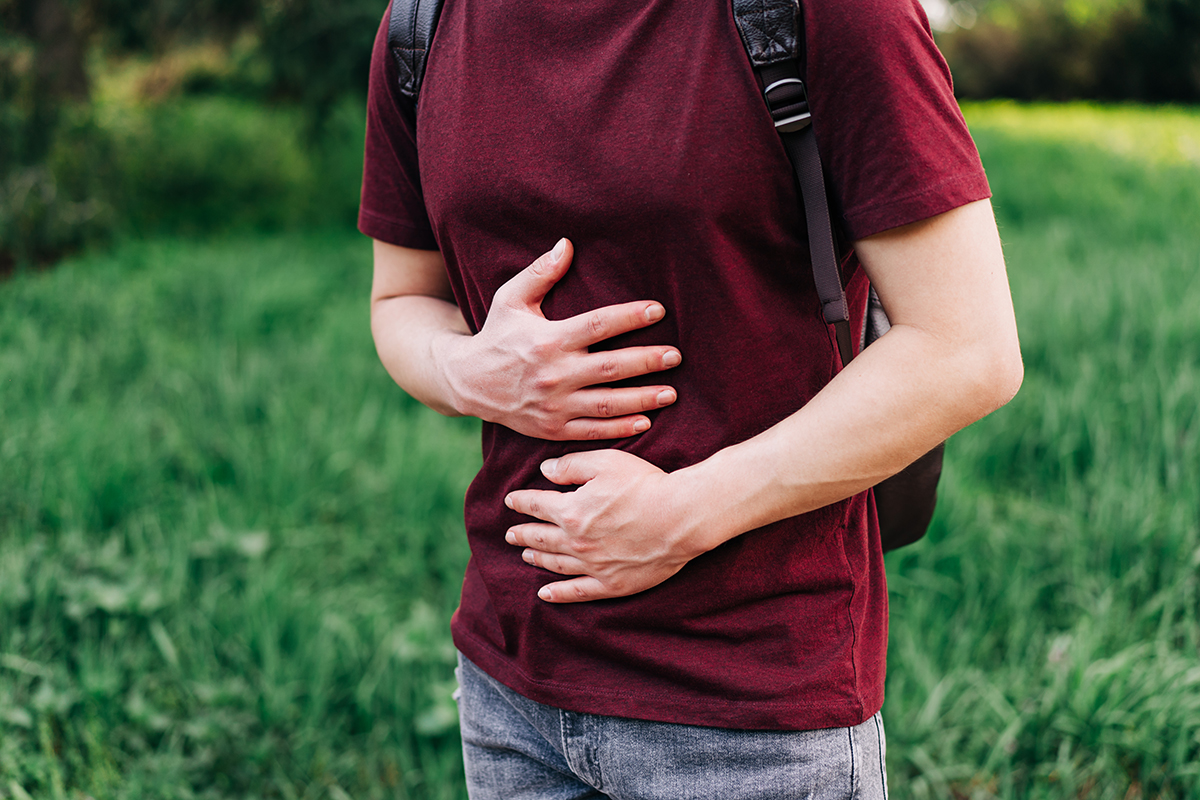
If you’ve ever experienced digestive upset while traveling, you’re not alone.
Bloating, constipation, diarrhea, and indigestion are some of the most frequently reported digestive issues among travelers.
Gastroenterologist James Tabibian, MD, PhD, shares why travel can impact your gut and simple ways to ease potential discomfort during your trip.
Why travel disrupts digestion
Travel can throw off your digestion for many reasons. One of the most common is being away from your usual routine.
"The gastrointestinal system thrives off routine, so any changes in eating habits, sleep, stress levels, and physical activity can contribute to irregular bowel movements and other unpleasant symptoms," says Dr. Tabibian.
The good news is that a few simple habits can help keep your digestive system on track.
Here are six tips from Dr. Tabibian.
1. Stay hydrated
It’s easy to fall short on fluids while traveling, but dehydration can disrupt your gut.
"Dehydration is one of the main contributors to constipation," Dr. Tabibian explains. "Getting in enough fluids helps soften stool and promotes regular bowel movements.”
The general daily recommended total water intake is:
- Women: About 11.5 cups (2.7 liters)
- Men: About 15.5 cups (3.7 liters)
"Keep in mind that alcohol does not count toward your hydration goals," he notes. "In fact, alcohol can lead to dehydration, intestinal inflammation, and poor sleep, all of which can further disrupt your gut."
Try these tips to stay hydrated:
- Carry a refillable water bottle
- Eat hydrating foods
- Limit or avoid sugary beverages and alcohol
- Consider electrolyte packets when spending extended time in hot weather and sweating heavily
If you’re flying, remember to empty your water bottle before going through TSA. Refill it after going through airport security.
2. Keep your body moving
Sitting for extended periods during flights or long road trips can slow digestion and lead to bloating and constipation.
“Physical activity helps stimulate the muscles and nerves in your digestive tract. This helps food and waste move more efficiently,” says Dr. Tabibian. “Try taking a short walk after meals or stretching during layovers or travel breaks.”
A few small movements you can do while seated include:
- Neck stretches
- Ankle circles
- Wrist and shoulder rolls
3. Snack smartly
During busy travel days, it can be easy to reach for the most convenient food option. But these are often ultra-processed foods high in fat, added sugar and sodium, while low in fiber.
Dr. Tabibian says, “Eating ultra-processed foods can slow down your digestion, contribute to intestinal inflammation, and lead to abdominal discomfort, constipation, and bloating.”
Instead, Dr. Tabibian recommends choosing more gut-friendly snacks.
Some travel-friendly options include:
- Fresh or dried fruit
- Apple sauce or fruit pouches
- Low-sugar protein bars
- Roasted chickpeas
- Seaweed snacks
- Rice crackers/cakes
- Whole-grain crackers
- Oatmeal
- Nuts and seeds (plain or lightly salted)
- Nut butter
If you’re traveling with a cooler, consider:
- Greek yogurt
- Cottage cheese
- Kefir
- Cheese sticks
- Hard-boiled eggs
- Hummus
- Veggies (baby carrots, cucumbers, celery, snap peas)
- Chia pudding
- Overnight oats
- Salad (watch for dressings high in added sugar, salt, and fat)
4. Choose food and drinks carefully
Enjoying local cuisine can be one of the best parts of traveling, but unfamiliar foods may trigger digestive discomfort.
"While it's okay to dig into local dishes and special treats, it's important to be mindful," advises Dr. Tabibian. "Changes from your usual diet may inadvertently expose you to potential gut triggers."
Another important consideration is food and water safety. Consuming contaminated food or water can lead to travelers’ diarrhea, one of the most common travel-related illnesses.
Dr. Tabibian recommends being cautious with:
- Street food: While many street vendors serve delicious food, items that aren’t properly stored, cooked, or handled can increase your risk of foodborne illness.
- Tap water: In areas where water quality is uncertain, stick to bottled water. Be cautious with ice and raw produce that may have been exposed to tap water.
Remember to frequently wash your hands with soap and water, especially before eating. Carry an alcohol-based hand sanitizer for times when soap and water aren't available.
5. Adjust to the time change
Traveling across time zones can disrupt your normal sleep patterns and affect your digestion.
"Your gastrointestinal system is highly sensitive to time changes, so traveling across time zones can cause your gut and brain to temporarily fall out of sync," Dr. Tabibian says. "This may disrupt your usual digestion and lead to changes in your bowel habits."
To help your body adjust, aim to wait until typical meal and sleep times at your destination rather than continuing to follow your schedule back home.
To get better sleep while traveling, try to:
- Get natural morning light: Exposure to morning sunlight helps your body adjust to a new schedule.
- Use an eye mask: Blocking unwanted light can help create a better sleep environment in unfamiliar places.
- Wear ear plugs: Reducing noise can help you fall asleep and stay asleep longer.
6. Manage stress
Your brain and gut are constantly communicating through what’s known as the gut-brain connection.
“When you’re stressed, it can affect your digestive tract and contribute to symptoms like abdominal discomfort, bloating, nausea, heartburn, or changes in bowel habits,” says Dr. Tabibian.
To help manage stress while traveling:
- Plan extra time: Building flexibility into your schedule can help reduce stress caused by potential unexpected delays.
- Practice breathing exercises: Slow, deep breathing can help calm your body’s stress response and promote relaxation.
When to seek care
While occasional digestive discomfort during travel is temporary, there are some signs that may point to a more serious issue.
Seek medical attention if you're experiencing:
- Severe abdominal pain or cramping
- Blood in your stool
- Yellowing of the eyes
- Fever
- Difficulty keeping liquids down
- Ongoing symptoms lasting more than 72 hours
If you have an existing digestive condition or concerns about an upcoming trip, talk with your primary care provider. They can provide guidance based on your health, destination, and travel plans.


