Health & Wellness
Former Bodyguard Shares His Experience with Skin Cancer
May 29, 2026
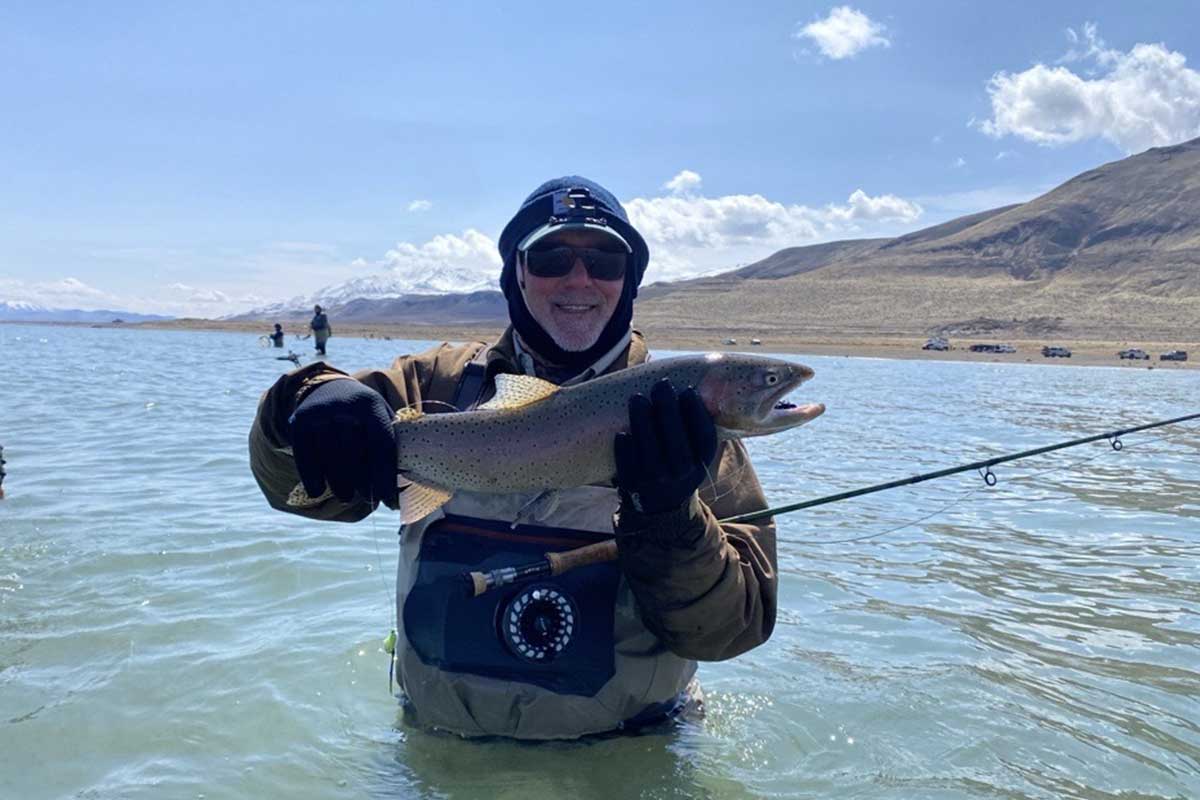
Chris Skeels spent most of his life outdoors ─ working concerts in his youth and enjoying the hobbies of fly fishing and golfing. But after a skin cancer diagnosis two years ago, the 70-year-old now approaches the sun much differently. Sunscreen and gloves have become part of his daily routine ─ a lesson he wishes he had learned decades earlier.
When he was in his 20s, Skeels and his friends helped with crowd control at concerts featuring legendary acts like the Highwaymen ─ Johnny Cash, Waylon Jennings, Willie Nelson, and Kris Kristofferson. He even spent time guarding George Strait’s trailer during the day and gathering around bonfires with the singer and crew at night.
“I was good at putting sunscreen on my body, but never on my arms, hands, or face,” he says.
In 2024, Skeels noticed a growth on the ring finger of his right hand, which he thought was a pimple or ingrown hair. He brushed it off, until it quickly began to change.
“It looked different,” says Skeels. “It was flat, then started forming a little mound on it. What was strange was that the bump was on top of the skin and not a part of it.”
While doing fence work, Skeels accidentally rubbed the bump against the fence, and it began to bleed. Later, it turned purple, which concerned him, so he scheduled an appointment with his doctor. After being referred to a dermatologist, the results came back positive for merkel cell carcinoma, which is a rare form of skin cancer.
In order to remove the cancer, surgeons had to remove all the skin around his finger. He underwent plastic surgery and physical therapy to help regain movement in his hand. While receiving treatment for his finger, doctors also found melanoma in his chest but were able to quickly remove the cancer through surgery.
“Two years later, and I’m still recovering,” says Skeels. “I can make a fist, but my hand doesn’t have the strength it used to have.”
To assist with his rehabilitation, Skeels turned to the team at the Adventist Health AIS Cancer Center in Bakersfield.
“Dr. Luis Mariscal helped me get into a clinical trial, where a phlebotomist comes to my home every three months, draws blood, and looks at the DNA for any signs of the tumor that I had in my blood cells,” says Skeels. “They can’t tell where it’s at, but they can tell if the merkel cell DNA from the tumor starts to increase in my blood.”
Skeels also meets with Dr. Ricardo Salas, who monitors his condition as he progresses through treatment.
“I love these guys,” says Skeels. “The concern and empathy they have is unbelievable.”
Skeels jokes that he’s been trying to get Dr. Salas to go fly fishing with him. Skeels is a member of the Casting for Recovery Fly Fishing group out of Bakersfield, which is a non-profit organization dedicated to supporting cancer survivors during treatment or recovery through the therapeutic activity of fly fishing. It’s where he met Jacqueline “Jacqui” Engstrand, RN, who is a nursing supervisor at the AIS Cancer Center.
“Jacqui is an amazing person,” says Skeels. “She’s very caring and has helped me tremendously through my cancer journey.”
Skeels is passionate about helping others who are going through cancer by sharing the importance of early prevention and by mentoring survivors through fly fishing.
“If you see something on your body that you’re unsure of, get it checked. If I would have went to the doctor sooner, it wouldn’t have taken me so long to recover.”
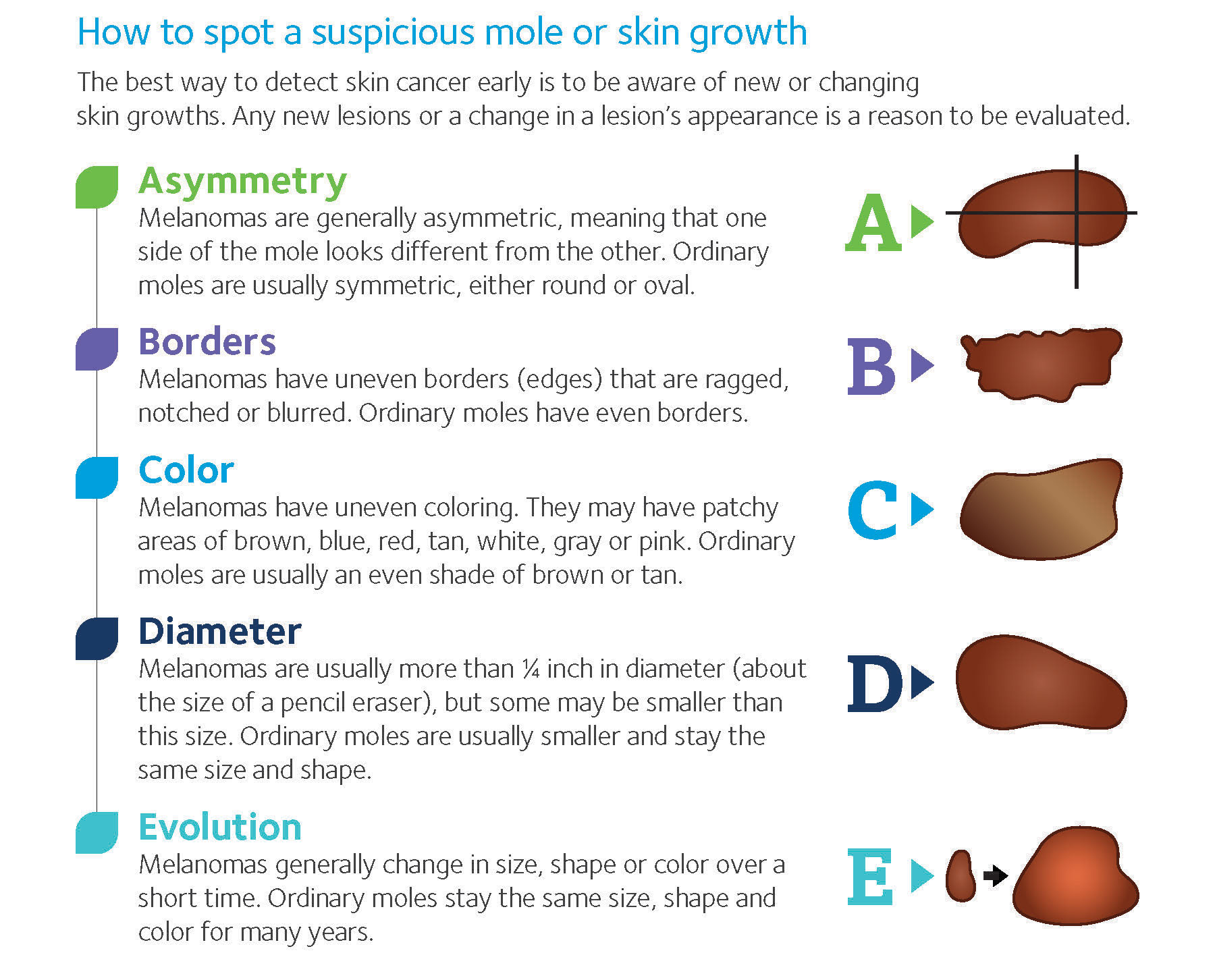
To help with his grip while fly fishing, Skeels places athletic tape around his hand and fishing rod. He said he’s grateful to have all his fingers and is blessed to have more time with his wife of 50 years, two children, and four grandchildren. Skin cancer is the most diagnosed type of cancer in the United States but can be prevented with early detection. If you notice any changes on your skin, contact your provider.
Learn the warning signs of skin cancer