
Health & Wellness, Philanthropy,
Delivering Care and Knowledge: Our Dual Mission
Jul 13, 2026

This year's fifth annual Advancing Healthcare Symposium highlighted Adventist Health Glendale's advanced neuroscience program, showcasing innovative interventional and minimally invasive neurovascular treatments that are improving outcomes and expanding treatment options for patients. The afternoon welcomed more than 300 community members and supporters and featured physician specialists and keynote speaker Mark Hyman, MD, an internationally recognized physician, author, educator, and leader in functional medicine. Dr. Hyman presented the science behind longevity, emphasizing the importance of creating health rather than simply treating disease. He shared practical, evidence-based strategies demonstrating how lifestyle and prevention can significantly influence long-term health and well-being.
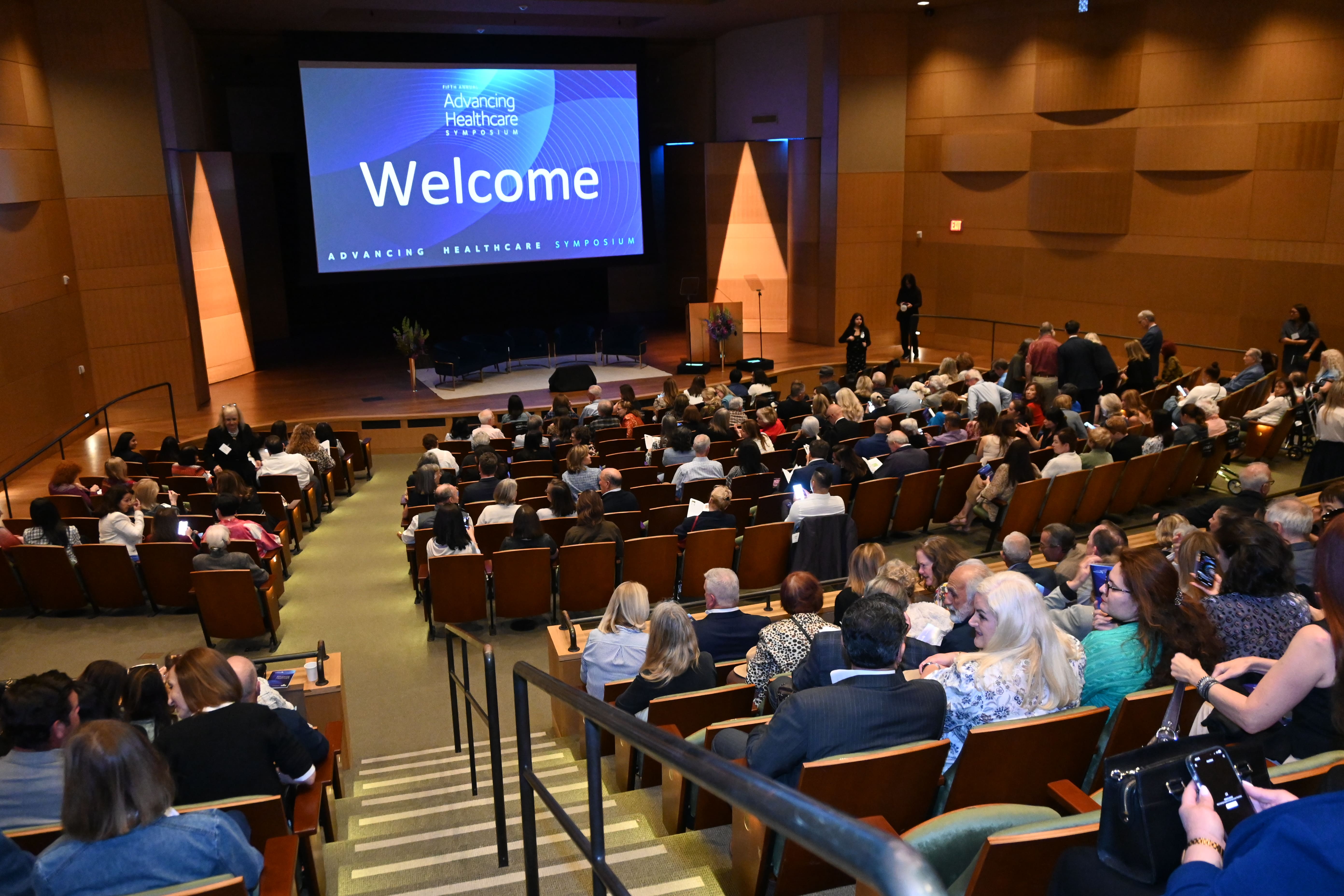
Held at The Huntington Library and Gardens on Tuesday, April 28, the event brought together two timely and important themes: what is possible through advanced medical care during a neurological emergency, and how lifestyle, prevention, and informed choices can promote long-term brain health and overall well-being.
This year’s program highlighted Adventist Health Glendale’s continued growth as a destination for advanced neuroscience care, including complex brain and spine procedures, minimally invasive neurovascular treatments, leading interventional approaches, advanced technology, and participation in national and international clinical trials.
The event reinforced that highly specialized care—often associated with major academic medical centers—is available close to home through Adventist Health Glendale's tertiary-level care in a community hospital setting. The physician panel featured four Adventist Health Glendale neuroscience specialists whose expertise is expanding access to lifesaving care across the region: Yaser Badr, MD, brain, spine and neurointerventional neurosurgery; Mikayel Grigoryan, MD, vascular and interventional neurologist; Lance Lee, MD, neurologist; and Ikenna Nwachuku, MD, orthopedic spine surgeon.
Together, the panelists offered an inside look at the hospital’s expanding neuroscience capabilities. As the first medical center in Southern California to receive Comprehensive Stroke Center certification, the panelists emphasized how speed, coordination, clinical expertise, and innovation can make a profound difference for patients facing some of the most serious and life-altering medical conditions.

“At Adventist Health Glendale, we believe the future of healthcare should be both extraordinary and accessible,” said Alice Issai, president of Adventist Health’s Southern California Network. “This symposium reflects our commitment to advancing care in ways that are innovative, compassionate, and meaningfully responsive to the needs of our communities. The level of neuroscience expertise represented by our physicians is truly remarkable, and it is helping to redefine what patients and families can expect from community-based care.”
The 2026 Advancing Healthcare Symposium showcased Adventist Health Glendale’s role as a regional leader in advanced neuroscience care and its broader commitment to expanding access to world-class specialty services for patients and families throughout Southern California. The symposium was made possible by the Adventist Health Glendale Foundation and the Foundation Board of Directors, with generous support from Mariner Health Care and other event sponsors.
“This symposium is one of the Foundation’s most meaningful opportunities to bring our community closer to the exceptional care happening every day at Adventist Health Glendale,” said Elizabeth LaBorde, president of the Adventist Health Glendale and Simi Valley Foundations. “This year’s program beautifully demonstrated the two sides of our mission: providing life-saving care when patients need us most, while also empowering people with knowledge that can help them live healthier, longer lives.”