Health & Wellness
Could It Be MS? What It Takes to Get the Diagnosis Right
Nov 6, 2026
An unexplained tingling sensation. Weakness that makes everyday tasks harder. Blurred or double vision that interrupts your routine.
When symptoms raise the possibility of multiple sclerosis, or MS, the questions can come quickly: How do doctors know? What will the testing involve? And what would a diagnosis mean for your future?
Artin Minaeian, MD, a neurology expert with Adventist Health Glendale, welcomes those questions. In fact, one he especially likes hearing is how he reached the diagnosis in the first place.
“I prefer to make an informed decision with the patient, not just by myself,” he says.
Understanding that process can help patients feel more prepared, whether they are seeking answers about new symptoms, navigating a recent diagnosis, or considering a second opinion.
Why MS can be difficult to identify
MS is a chronic disease in which the immune system attacks myelin, the protective covering around nerve fibers in the central nervous system. That damage can disrupt communication between the brain and the body.
Dr. Minaeian compares myelin to the insulation around an electrical wire. When the insulation is damaged, signals may not travel properly. The symptoms depend partly on where the damage occurs.
But those symptoms do not point exclusively to MS. “MS doesn’t have one single definitive diagnostic test,” Dr. Minaeian explains.
Migraine, for example, can cause neurological symptoms that overlap with MS. Other inflammatory conditions can also affect the nerves responsible for vision or the spinal cord and require different treatment.
That overlap is why a careful evaluation matters. Before recommending long-term MS treatment, neurologists look for evidence that supports the diagnosis and consider other explanations.
The symptom pattern matters
Dr. Minaeian says symptoms that prompt an evaluation may include:
- Persistent numbness or tingling, sometimes on one side of the body.
- Weakness or difficulty holding objects.
- Vision loss associated with pain or double vision.
- Changes in walking, coordination, or balance.
These symptoms can have many causes. Their timing and duration help a neurologist understand what may be happening.
When did the problem begin? Did it develop suddenly or gradually? Did it last minutes, hours, or days? Has something similar happened before?
Writing down those details before an appointment can help patients describe their experience, including symptoms that have improved or disappeared.
New or persistent neurological symptoms deserve medical attention. Sudden weakness or numbness, trouble speaking, sudden vision changes, or sudden difficulty walking can be signs of a stroke —Call 911 immediately rather than waiting for an office appointment.
What happens during an MS evaluation?
The process begins with a detailed medical history and neurological examination.
Dr. Minaeian asks patients about their symptoms, how long they have lasted, and how they affect daily activities. The examination helps assess functions such as strength, sensation, coordination, and balance.
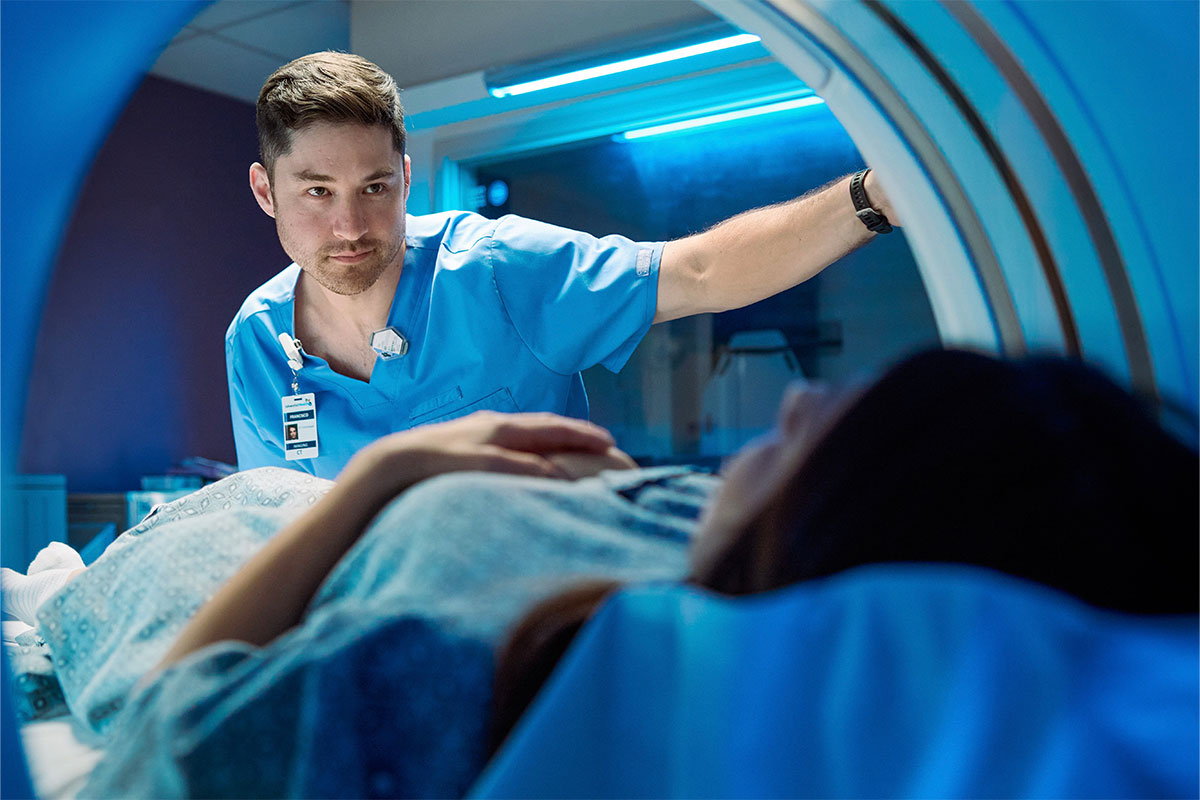
MRI scans provide another important piece of the picture. Depending on the findings, testing may include brain and spinal cord imaging.
In some cases, a neurologist may recommend a lumbar puncture, also called a spinal tap. This procedure collects a small sample of the fluid surrounding the brain and spinal cord to look for signs that can support the diagnosis. Additional testing may help investigate other possible causes.
Not every patient needs every test. Evaluation depends on the symptoms and what earlier findings show.
Why doesn’t an MRI tell the whole story?
Seeing words such as “white matter changes” or “lesions” in an MRI report can be unsettling. Those findings do not automatically mean someone has MS.
Dr. Minaeian explains that migraine and other conditions can also produce bright spots on certain MRI images. Neurologists examine the location and appearance of those spots and consider how they fit with a patient’s symptoms and examination.
The diagnosis comes from interpreting the findings together. Reviewing the report with a neurologist can help patients understand what it shows—and what remains uncertain.
How long does a diagnosis take?
There is no single timeline. Dr. Minaeian says an initial workup may take days to several weeks, depending on the circumstances, access to testing, and whether care occurs in the hospital or an outpatient setting.
However, those tests do not always provide an immediate answer. Some patients need repeat examinations or imaging over time before a diagnosis becomes clear.
Patients should ask what's next, when to expect results, and which symptom changes should prompt an earlier call or urgent evaluation.
Seeking a second opinion
Asking questions about a diagnosis or treatment plan is reasonable. Dr. Minaeian both provides second opinions and recommends them when additional expertise could help clarify a case.
“If I feel like there’s any doubt,” he says, “I even personally suggest to the patient, ‘Let’s get a second opinion or a third opinion.’”
Useful questions include:
- What findings support my diagnosis?
- What other conditions have you considered?
- Do I need additional testing or follow-up imaging?
- What is the goal of the recommended treatment?
- How will we know whether it is working?
A second opinion can provide reassurance, help resolve uncertainty, or guide the next steps in care.
What life after diagnosis can look like
There is currently no cure for MS, but treatment options have expanded considerably during Dr. Minaeian's career. Treatment can help reduce disease activity and manage symptoms, but each person's response and disease course differ.
Some people experience relapses followed by periods of improvement. Others have more steadily progressive symptoms. One person’s experience does not predict another’s.
Ongoing care helps the neurologist assess both the disease and the treatment. Follow-up may include office visits, blood tests, and repeat MRIs, with the schedule tailored to the individual and medication.
“It’s not a one-off visit,” Dr. Minaeian says. He also encourages patients to stay physically and mentally engaged, with activities adapted to their symptoms and abilities. Exercise and meaningful daily activities can support well-being alongside medical treatment.
An MS diagnosis may require adjustments, but many people keep working, raising families, and doing activities they value. Care should address what matters to each patient, including support for symptoms or limitations that affect daily life.
For someone facing the possibility of MS, the next step begins with an evaluation and a conversation. Understanding the evidence, asking questions, and building an ongoing relationship with a care team can make an uncertain path easier to navigate.
Have questions about possible MS symptoms or an existing diagnosis?
Talk with your primary care provider about a neurological evaluation or a second opinion. Dr. Minaeian sees patients in Glendale and Sherman Oaks.