Services
Women's Health
Compassionate care through every stage of life

At Adventist Health Clear Lake, we believe women deserve expert care from a team that firmly understands and supports their unique needs. That’s why we offer comprehensive women’s health services for every stage of life, from adolescence to motherhood to menopause and beyond. Our primary care providers and OB/GYNs provide the compassionate support and expertise you need to stay healthy, overcome any issues, and achieve all the milestones you envision for yourself.
Comprehensive care tailored to your needs
From routine check-ups and screenings to specialized care, we’re here for all of your health needs. We are committed to life-long wellness, disease prevention, and care for the whole you – body, mind and spirit. Our women’s health services include:
Learn more about our services
Discover how we care for you in several key areas.
Breast health
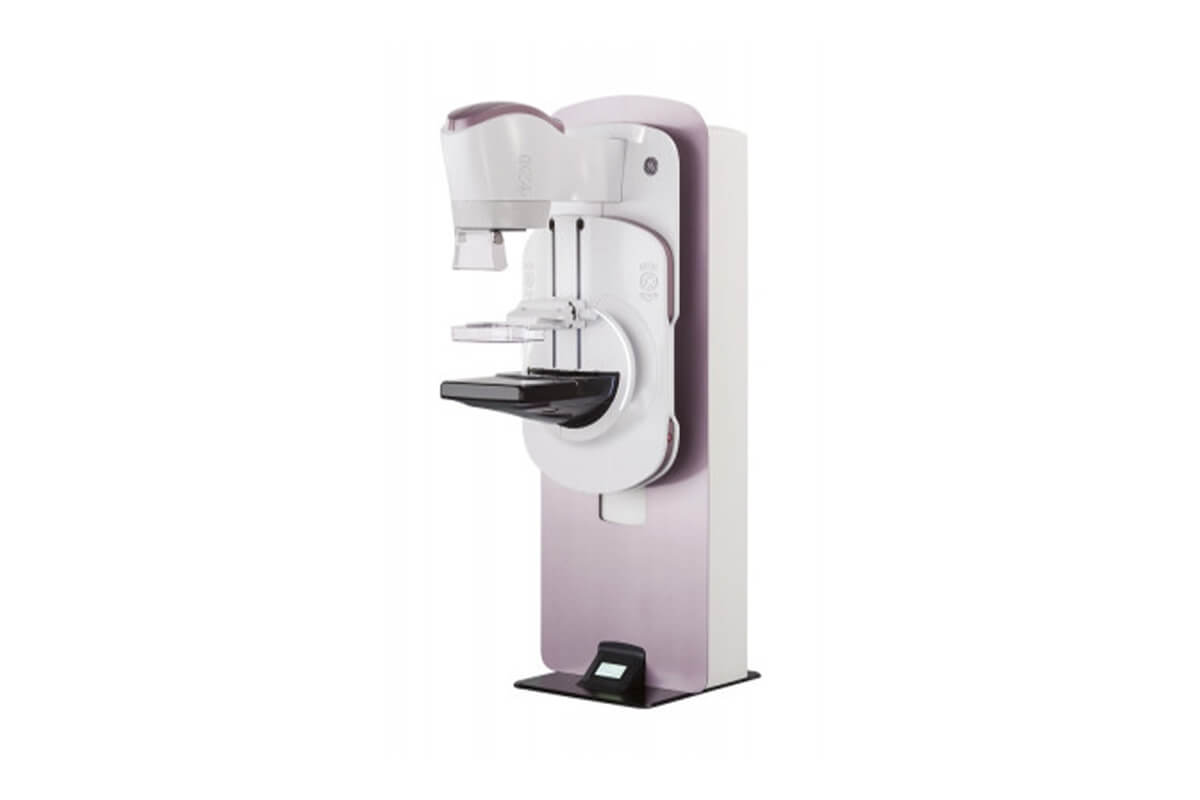
When it comes to breast health, early detection is proven to be the best defense against cancer. That's we offer advanced diagnostic screenings like mammograms and 3D mammography, also known as digital breast tomosynthesis (DBT). Our 3D mammography provides the following advantages:
- 29% increase in detection of all breast cancers
- 41% increase in detection of invasive breast cancers
- Greater accuracy in pinpointing size, shape and location of tumors
- Much more comfortable procedure
- Fewer unnecessary biopsies or additional tests
- Greater likelihood of finding multiple tumors
Screenings are performed at our medical imaging center on Lakeshore Drive in Clearlake. The exams are covered and paid for by Medicare, as well as many private insurers.
Pregnancy and childbirth
From prenatal obstetrics services and education classes through delivery and post-partum support, we provide a comprehensive level of care to ensure a safe and successful birth and to help your family grow and flourish.
When you’re pregnant, your obstetrician will perform ultrasounds and other exams at regularly scheduled times to make sure you and your baby are developing as you should. Our obstetricians have offices with calming atmospheres in in Clear Lake, Hidden Valley Lake, Middletown, and Kelseyville.
We’ll also help you figure out what you want from your delivery and try to align your birthing experience with what you’ve envisioned. When your big day comes, you’ll have a comfortable, fully equipped birthing suite, and experienced staff to help with your labor, and childbirth. Our obstetricians are trained to perform both cesarean and vaginal deliveries. They can also perform several procedures that may be needed before, during, or after delivery, including dilation and curettage, circumcision, and cervical cerclage.
Once you welcome your little one into your arms, we’ll support you with resources and classes on everything from breastfeeding to safe sleeping. We’ll also provide on-going care to ensure the health of you and your baby.
Learn more about our maternity services and how we can create your ideal birth experience.
Gynecology
Our gynecologists provide regular check-ups and disease screenings, such as pap tests. They are also experienced in diagnosing and treating a wide range of conditions related to women’s health.
In addition to knowing everything about your anatomy and health concerns, our gynecologists understand that certain women’s health issues can cause anxiety and be difficult to talk about. You can rest assured they will treat you with the utmost compassion and care, so you can feel comfortable speaking openly. Being sensitive to your emotional state is a big part of their job.
Our gynecologists can help you with:
- Abnormal menstrual periods
- Abnormal pap test results
- Endometriosis
- Fibroids
- Menopause
- Ovarian masses
- Pelvic pain
- Sexually transmitted diseases
- Urinary tract infections (UTIs)
- Uterine bleeding
- Vaginitis
- Vulvar abnormalities
- Family planning and preconception counseling
Menopause
A woman is only considered to be "in menopause" after she has gone through a continuous year without a menstrual period. The average age of menopause is between 45 and 55, but it can occur earlier. Menopause occurs when the production of a woman’s estrogen and progesterone decreases.
During menopause, women can experience a range of uncomfortable symptoms, including:
- Hot flashes, which are sudden feelings of heat in the face and chest
- Night sweats
- Changes in the regularity and flow of the menstrual cycle
- Vaginal dryness, pain during sexual intercourse, and incontinence
- Difficulty sleeping or insomnia
- Mood swings, depression, and/or anxiety
Your gynecologist can consult with you about how to manage these symptoms and also offer treatments, ranging from medication to hormone replacement therapy.
Incontinence, prolapse and other pelvic issues
The Adventist Health Clear Lake women’s health team provides diagnosis and treatment for incontinence, prolapse, and other pelvic disorders. If you are experiencing pelvic pain, our team can examine and diagnose your symptoms, then provide the appropriate treatment.
Some treatment methods for pelvic disorders include:
- Muscle relaxant medications to prevent muscles from contracting
- Yoga and stretches to help relax the pelvic muscles
- Avoiding pushing or straining when using the bathroom
- Physical therapy
- Surgery to loosen the pelvic organs for patients with rectal prolapse
- Lifestyle changes, medications, medical devices, and/or surgery to treat incontinence
Osteoporosis and bone health
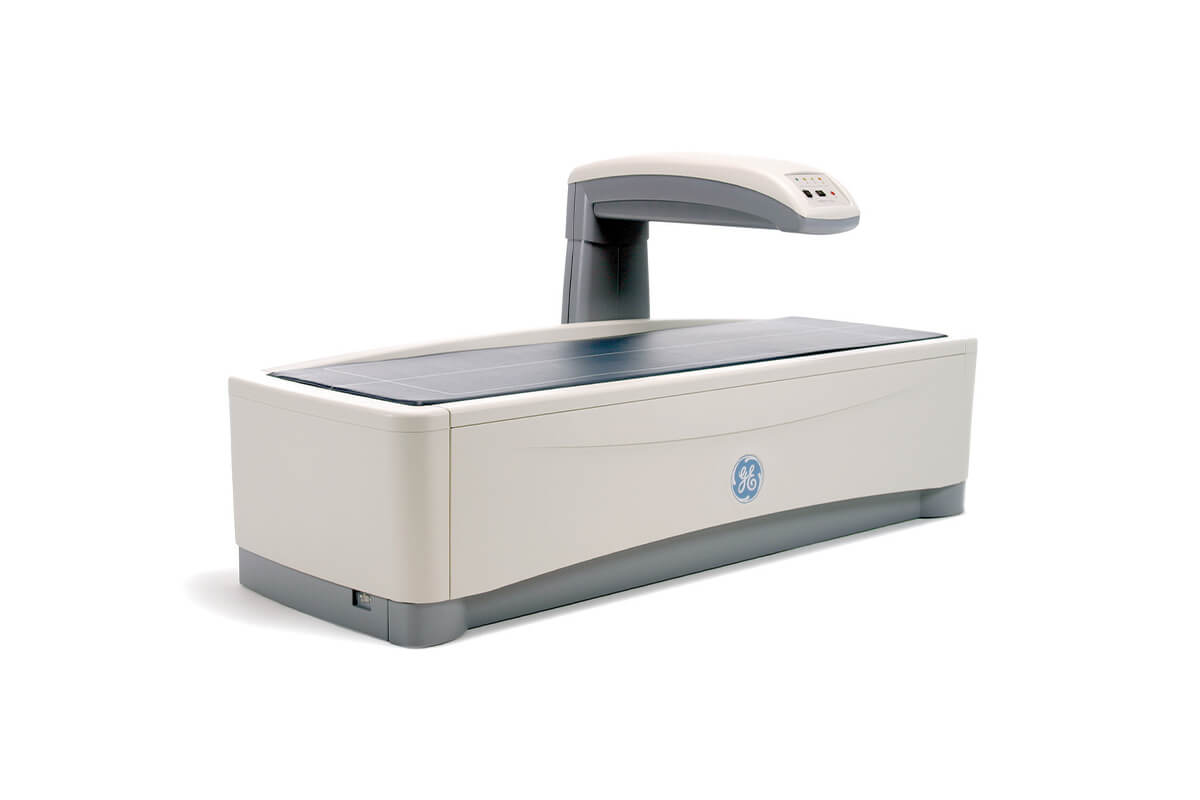
Osteoporosis is a bone disease that is prevalent among older women. It typically occurs in your 70s or beyond, but can strike earlier in life. With osteoporosis, your bones become weak and brittle, leading to back pain, posture problems, loss of height, and increased risk of fractures. It is caused by a combination of factors, including your bones' natural degeneration in density, your genetics, calcium deficiency, low estrogen levels, smoking, alcohol consumption, and certain medications.
If you are diagnosed with osteoporosis, your provider will work with you to create a treatment plan. That plan will likely include medications, a healthy diet, and exercises to strengthen your bones and prevent further bone loss.
In addition to osteoporosis, our care providers can also diagnose and treat various bone cancers.