Patient Story, Team Spotlight
One Minute Made All the Difference
Jul 17, 2026
When someone experiences sudden cardiac arrest, every second counts.
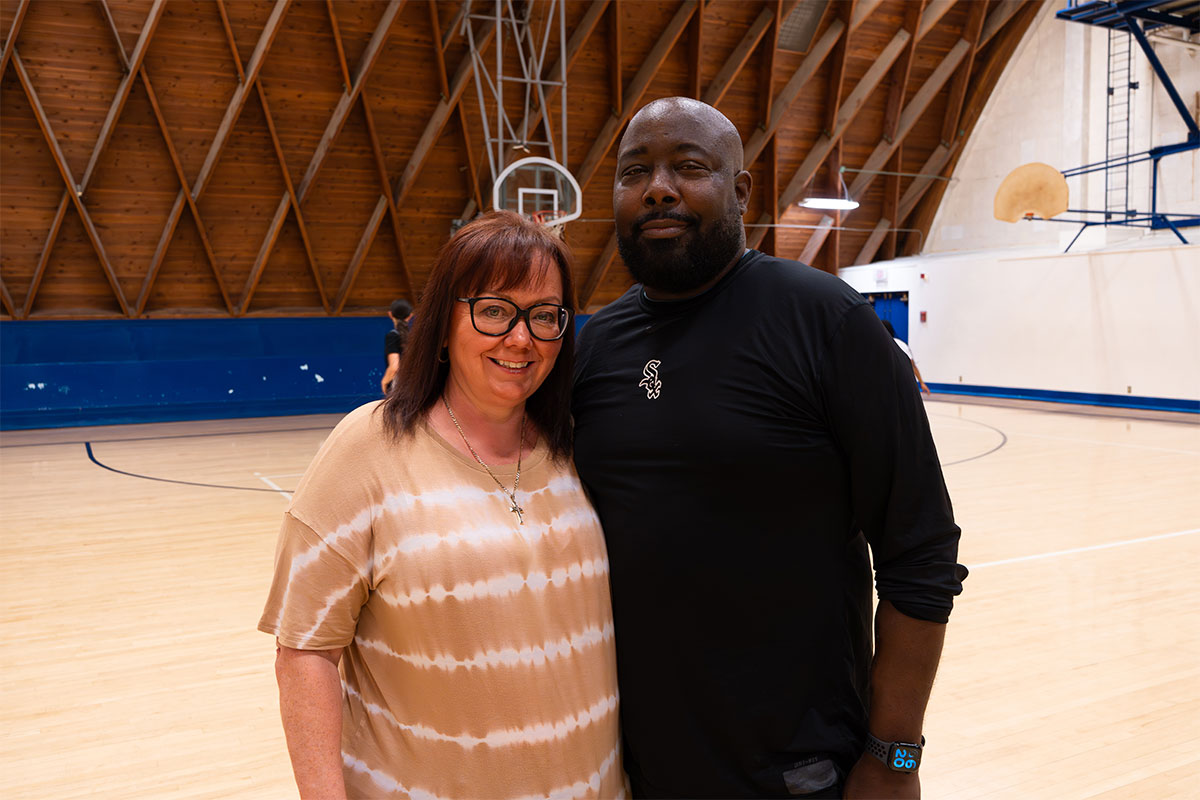
For Marlo Robinson, what began as an ordinary day quickly became a life-or-death emergency when her husband, Randy, suddenly collapsed at home.
"There was no pulse," Robinson recalls. "I yelled for my son to call 911."
As Director of Operations for Correctional Medicine at Adventist Health Central California Network, Robinson has spent decades working in healthcare. But nothing could prepare her for the moment when the person needing help was her own husband.
Staying calm in a crisis
With guidance from a 911 emergency operator and encouragement from her 26-year-old son, Robinson immediately began performing CPR.
The emergency dispatcher coached her through chest compressions, helping her maintain the proper rhythm while first responders rushed to their home.
"My son kept encouraging me, saying, 'You've got it, mama. Keep going,'" she says.
Robinson continued performing CPR until emergency medical services arrived and transported Randy to Adventist Health Bakersfield, where he received lifesaving treatment for cardiac arrest.
Every minute matters
Robinson’s husband, who coaches girls varsity basketball at Bakersfield High School, spent five days in the intensive care unit before returning home to continue his recovery.
One of the most remarkable parts of his story is that he suffered no brain damage from a lack of oxygen.
Doctors told the family that starting CPR within the first minute played a critical role in protecting Randy's brain and improving his chances of recovery.
That experience changed Robinson's perspective.
"You never think something like this will happen to your family," she says. "I'm grateful I had help, but it made me realize how important it is for everyone to know CPR."
Hands-only CPR can save lives
Many people assume they need formal medical training to help during a cardiac emergency. In reality, hands-only CPR is simple to learn and can make a lifesaving difference while waiting for emergency responders.
Hands-only CPR involves two basic steps:
- Call 911 immediately.
- Begin hard, fast chest compressions in the center of the person's chest until help arrives.
The recommended pace is about 100 to 120 compressions per minute, which is roughly the beat of the Bee Gees' classic song "Stayin' Alive."
Learn the basics before an emergency happens
To help prepare the community, earlier this year, Adventist Health partnered with local organizations to offer free hands-only CPR demonstrations, giving participants the confidence to respond during a cardiac emergency.
During the training, participants learn how to:
- Recognize when someone is unresponsive.
- Call 911 and activate emergency medical services.
- Position the person safely on a firm, flat surface.
- Perform effective hands-only chest compressions until professional help arrives.
Robinson hopes her family's experience inspires others to learn these simple but lifesaving skills.
When cardiac arrest happens, the actions taken during those first few minutes can mean the difference between life and death.